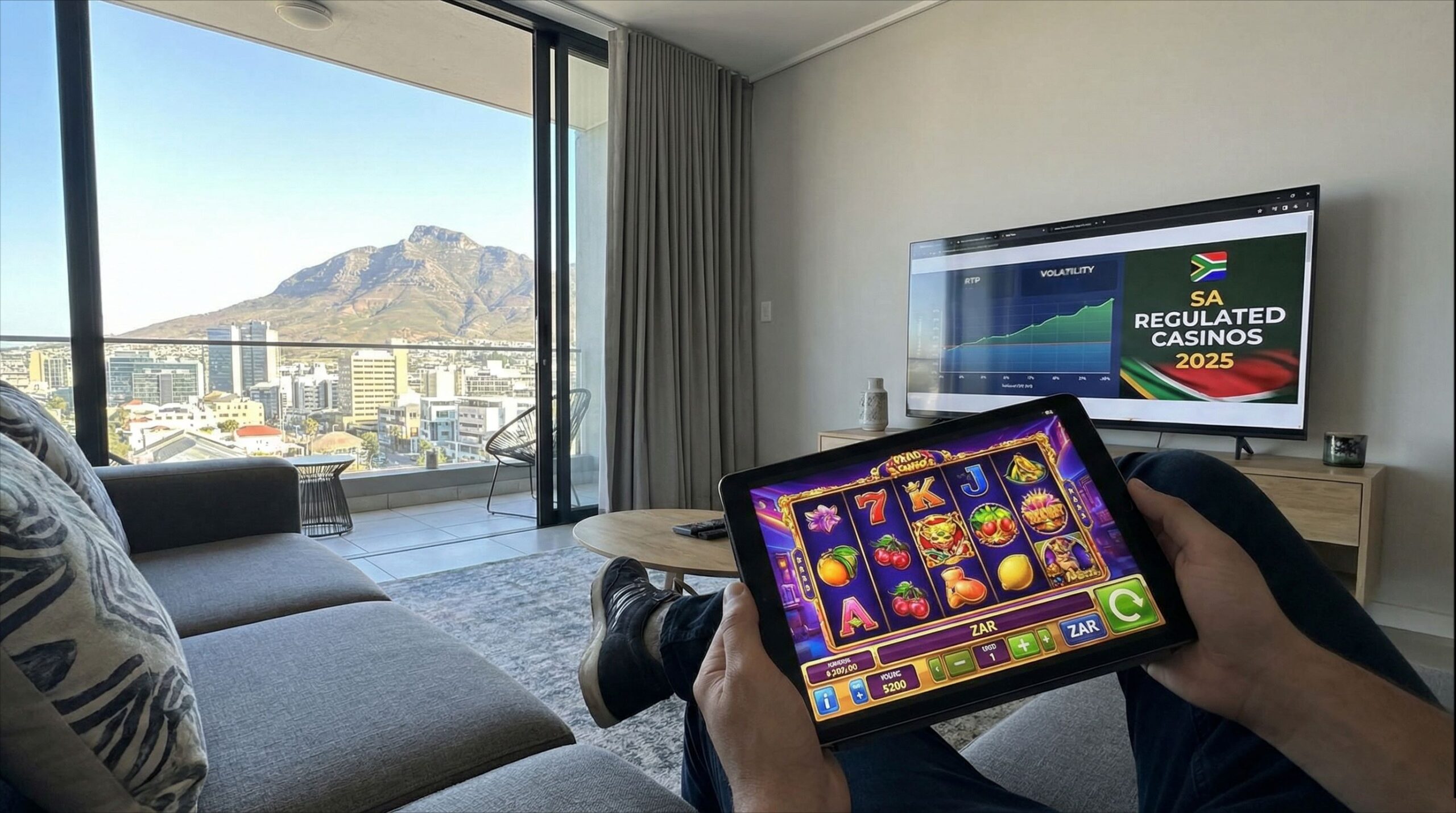
South African gambling taxation operates on a dual framework that fundamentally distinguishes between casual recreational players and professional gamblers. This distinction forms the cornerstone of how the South African Revenue Service (SARS) approaches gambling income, with casual players enjoying significant tax exemptions while professional gamblers face comprehensive income tax obligations.
The regulatory landscape centers around the critical 15% withholding tax threshold of R25,000, which represents the primary mechanism through which SARS captures tax revenue from gambling activities. This framework has undergone significant updates in recent years, reflecting the government’s evolving approach to iGaming taxation and the need for enhanced compliance measures across all gambling platforms, including online casinos and the National Lottery.
Understanding Casual vs Professional Gambling Taxation
The classification of gambling activities as either casual or professional determines the entire tax treatment framework under South African law. SARS employs a sophisticated profit-making scheme test to distinguish between recreational players and those who derive regular income from gambling activities. This distinction affects not only tax obligations but also declaration requirements and the ability to claim deductions for gambling-related losses.
The key criteria for classification include the frequency of gambling activities, the systematic nature of play, and whether gambling constitutes a primary or supplementary source of income. Professional gamblers are typically those who maintain detailed records, employ consistent strategies, and derive substantial regular income from their gambling activities.
| Classification | Tax Treatment | Declaration Required | Loss Deduction | Key Criteria |
|---|---|---|---|---|
| Casual Gambler | Tax-exempt (below R25,000) | No | Not applicable | Infrequent play, recreational purpose |
| Professional Gambler | Full income tax liability | Yes, mandatory | Allowed against income | Regular income source, systematic approach |
| Large Win (>R25,000) | 15% withholding tax | Automatic withholding | Limited deduction rights | Single win exceeds threshold |
| Frequent Small Wins | May trigger income assessment | Depends on total amount | Case-by-case basis | Pattern indicates profit-making scheme |
| International Winnings | Worldwide income taxation | Yes, for residents | Subject to treaty provisions | South African tax residency |
Casual Gambler Status and Exemptions
Recreational gambling winnings enjoy complete tax exemption under South African law, provided they do not exceed the R25,000 withholding threshold and do not form part of a systematic profit-making scheme. This exemption applies broadly to jackpots from slot machines, table game winnings, sports betting payouts, and lottery prizes, making casual gambling an attractive recreational activity for South African players.
The exemption covers all forms of approved gambling activities, including raffles and competition prizes, provided the winnings result from genuine recreational participation rather than professional gambling activities. Casual gamblers are not required to declare their winnings to SARS, significantly reducing the administrative burden for occasional players.
This approach minimizes tax burdens for the vast majority of South African gamblers who participate in gambling activities purely for entertainment purposes. The policy recognizes that most gambling participants are recreational players who should not face complex tax obligations for occasional winnings.
Professional Gambler Income Treatment
Professional gamblers face comprehensive income tax obligations on all gambling winnings, which are treated as regular taxable income subject to South Africa’s progressive income tax brackets. This classification applies to individuals who derive substantial income from gambling activities or demonstrate a systematic approach to gambling that indicates a profit-making scheme.
Professional status requires meticulous record-keeping for tax compliance purposes, including detailed documentation of all gambling transactions, expenses, and winnings. Professional gamblers can claim legitimate business expenses against their gambling income, including travel costs, equipment, and other expenses directly related to their gambling activities.
The income is subject to the same tax rates and obligations as any other form of business income, with professional gamblers required to register for income tax and potentially VAT if their activities exceed the relevant thresholds.
The 15% Withholding Tax Framework
The 15% withholding tax represents a fundamental shift in South African gambling taxation, applying uniformly to all winnings above R25,000 regardless of the gambling platform or activity type. This framework was specifically designed to discourage excessive gambling while generating substantial revenue for the government, marking a departure from the historically tax-free treatment of lottery and casino winnings.
Licensed gambling operators are required to automatically deduct and remit the 15% tax to SARS when any single winning exceeds the R25,000 threshold. This system ensures immediate tax collection and reduces the administrative burden on both players and tax authorities, while providing transparency in the taxation process.
The withholding tax applies to gross winnings without deducting the original stake or bet amount, representing a significant tax liability for players who achieve substantial wins. The system operates across all authorized gambling platforms, including online casinos, land-based casinos, sports betting operators, and the National Lottery.
Withholding Tax Threshold and Application
The R25,000 threshold serves as a clear demarcation point for tax liability, with operators required to withhold exactly 15% of any winning that exceeds this amount. The tax calculation applies to the full winning amount rather than just the excess above R25,000, making it crucial for players to understand the full implications of significant wins.
This uniform application ensures consistency across all licensed gambling operators in South Africa, whether they operate online casinos, sports betting platforms, or traditional lottery services. The system is designed to capture tax revenue from substantial gambling wins while allowing smaller recreational winnings to remain tax-free.
Capital Gains Tax Treatment of Gambling Winnings
South African tax law specifically excludes gambling winnings from capital gains tax treatment under the Eighth Schedule of the Income Tax Act. This exclusion recognizes the unique nature of gambling activities and ensures that serendipitous gains from recreational gambling do not trigger capital gains tax obligations for casual players.
Paragraph 60 of the Eighth Schedule provides explicit protection for gambling winnings, ensuring that one-off wins from casino games, lottery draws, and other gambling activities are not subjected to capital gains tax calculations. This provision applies regardless of the size of the winning, provided it results from genuine gambling activities rather than capital investment strategies.
However, the exemption from capital gains tax does not prevent gambling winnings from being treated as regular income where the activities constitute a profit-making scheme or professional gambling operation. In such cases, the income tax provisions take precedence over capital gains tax considerations.
Non-Capital Nature of Casual Winnings
One-time lottery wins and casual casino winnings are specifically exempt from capital gains tax under South African law, reflecting the government’s recognition that these activities do not constitute capital investments. This exemption extends to approved raffles, competition prizes, and other forms of chance-based winnings that occur outside a systematic profit-making framework.
The non-capital classification ensures that recreational gamblers do not face unexpected tax liabilities on winnings that result from entertainment activities rather than investment strategies.
Shift to Regular Income Treatment
When gambling activities demonstrate the characteristics of a profit-making scheme, SARS treats the winnings as regular income rather than capital gains. This shift triggers comprehensive tax reporting obligations and subjects the income to progressive income tax rates rather than the more favorable capital gains tax treatment.
The determination of when winnings shift from capital to income treatment depends on various factors, including frequency, systematization, and the role of gambling in the individual’s overall income profile.
SARS Compliance and Declaration Requirements
Professional gamblers and individuals with substantial gambling winnings must disclose their gambling income in annual tax returns to SARS, with failure to declare gambling income resulting in significant penalties and potential prosecution for tax evasion. The transparency requirements ensure long-term compliance and help SARS identify individuals who may have crossed from casual to professional gambling status.
The compliance framework requires different levels of disclosure depending on the classification of the gambler and the nature of their winnings. Professional gamblers face comprehensive reporting obligations, while casual gamblers with winnings above the withholding tax threshold may need to declare these amounts depending on their overall tax situation.
- Maintain detailed records of all gambling transactions, including dates, amounts wagered, winnings, and losses across all gambling platforms and activities.
- Collect and retain all documentation provided by gambling operators, including winning certificates, withholding tax certificates, and transaction statements for audit purposes.
- Declare all gambling income in the appropriate sections of annual tax returns, distinguishing between casual winnings and professional gambling income based on SARS guidelines.
- Calculate and pay any additional tax liability beyond amounts already withheld by operators, particularly for professional gamblers subject to higher income tax brackets.
- Submit supporting documentation with tax returns where gambling income exceeds specified thresholds or where claimed as professional income with associated deductions.
- Respond promptly to any SARS inquiries regarding gambling income and maintain records for the prescribed retention period to support compliance verification.
Documentation and Reporting Process
Licensed gambling platforms are required to issue comprehensive winning statements for tax purposes, providing players with the documentation necessary for accurate tax reporting. These statements typically include details of all significant winnings, taxes withheld, and other relevant information required for SARS compliance.
Players must retain all transaction records, including betting slips, winning tickets, and electronic transaction records, to support their tax declarations and defend against potential SARS audits. The documentation requirements are particularly stringent for professional gamblers who must maintain business-level records to support their income declarations and expense claims.
Professional gamblers must detail both expense and winning records with the same rigor applied to other business activities, including proper categorization of deductible expenses and clear separation between personal and professional gambling activities.
Emerging Tax Proposals: 20% Online Gambling Revenue Tax
The National Treasury has proposed implementing a 20% tax on gross gambling operator revenues, representing a significant additional tax layer separate from the existing 15% withholding tax on player winnings. This proposed operator levy is expected to generate approximately R10 billion annually for the government, funding enhanced gambling regulation and addiction support programs.
The revenue tax would apply to the gross income of gambling operators rather than individual player winnings, creating a dual taxation framework that addresses both player winnings and operator profits. This approach aligns South Africa with international best practices in gambling taxation while generating substantial revenue for government programs.
Revenue Levy vs Withholding Tax Distinction
The proposed 20% operator levy operates independently of the 15% withholding tax, ensuring that both taxation layers serve distinct purposes within the overall gambling taxation framework. The operator levy funds gambling oversight and regulation, while the withholding tax continues to target excessive gambling behavior and generate general revenue.
This distinction ensures that the taxation system addresses both the supply and demand sides of the gambling market, creating comprehensive revenue generation while supporting responsible gambling initiatives.
Government Intent and Economic Impact
The dual taxation policy reflects government intent to discourage excessive gambling during economic uncertainty while generating revenue for essential services and gambling addiction programs. The substantial revenue projections demonstrate the significant economic impact of South Africa’s growing iGaming sector.
Funds generated from both tax layers will be directed toward gambling addiction treatment programs, regulatory oversight, and general government revenue, creating a comprehensive approach to gambling taxation that balances revenue generation with social responsibility.
Tax Treatment of Specific Winnings Types
Different types of gambling winnings receive varied tax treatment under South African law, with the National Lottery subject to the same 15% withholding tax rate as casino and sports betting winnings. Non-cash prizes are taxed based on their monetary equivalent value at the time of the win, while international winnings face taxation under South Africa’s worldwide income provisions for tax residents.
The uniform application of withholding tax across gambling types ensures consistency in treatment regardless of the specific gambling activity, while special considerations apply to certain types of winnings and prizes. Understanding these distinctions is crucial for accurate tax compliance and planning.
| Winnings Type | Tax Status | Withholding Applied | Declaration Required | Special Considerations |
|---|---|---|---|---|
| National Lottery | 15% withholding tax | Yes, above R25,000 | Automatic withholding | Previously tax-free, now standardized |
| Online Casino Winnings | 15% withholding tax | Yes, above R25,000 | Automatic withholding | Licensed operators only |
| Sports Betting | 15% withholding tax | Yes, above R25,000 | Automatic withholding | Applied to net winning amount |
| Non-Cash Prizes | Based on monetary value | 15% if value >R25,000 | May require separate payment | Valuation at market price |
| International Winnings | Worldwide income taxation | No automatic withholding | Yes, for residents | Tax treaty provisions apply |
| Professional Gambling | Full income tax | 15% plus additional liability | Comprehensive reporting | Business expense deductions allowed |
International Winnings and Residency Implications
South African tax residents are subject to taxation on their worldwide income, including gambling winnings from international competitions, foreign lotteries, and overseas casino activities. This obligation applies regardless of whether the winnings were subject to taxation in the country where they were earned, though double taxation treaties may provide relief in certain circumstances.
Tax treaties between South Africa and other countries often contain provisions to prevent dual taxation of gambling winnings, though residents remain obligated to declare all international winnings to SARS. The treaty provisions typically allow for foreign tax credits where appropriate, reducing the South African tax liability by the amount of tax paid in the source country.
Residents must convert international winnings to South African Rand using the exchange rate applicable at the time of the winning for accurate tax calculation and reporting purposes. This requirement applies to all forms of international gambling winnings, including online poker tournaments, international lottery prizes, and casino winnings earned while traveling abroad.